Woodland Rest Spots: Quiet Places That Actually Exist
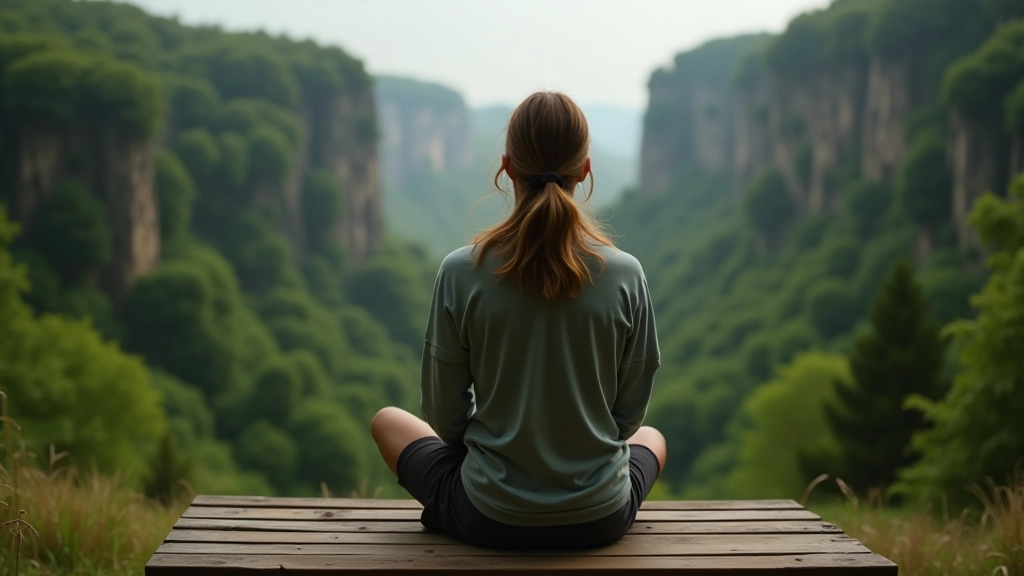
Discover hidden woodland havens in the Līgatne sandstone region where you can genuinely escape the noise and reconnect with forest silence.

Why Woodland Silence Matters More Than You Think
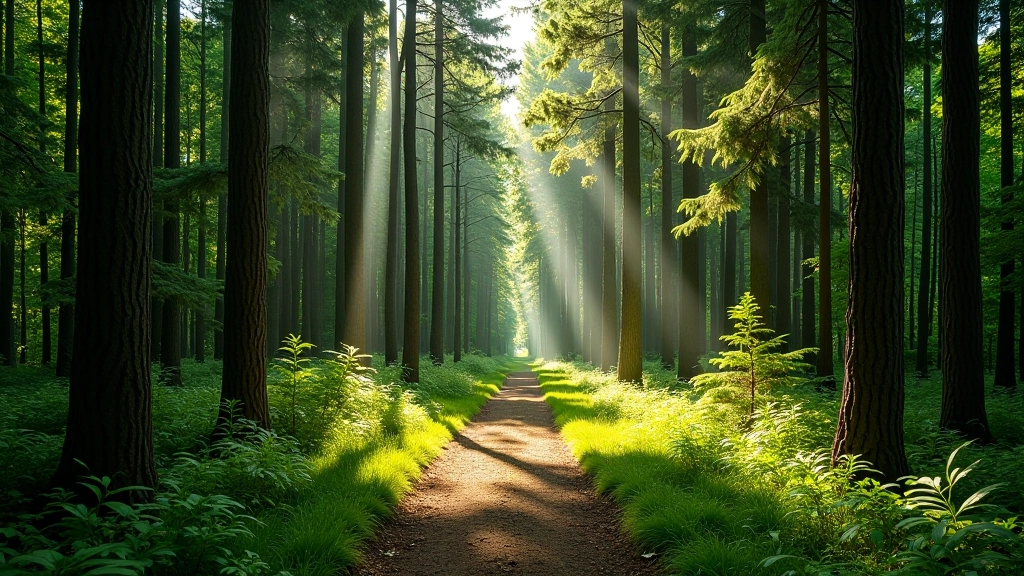
Sitting in a proper forest is nothing like scrolling through nature photos. It's the difference between hearing about rain and actually feeling it. When you're surrounded by old pines and birches, your nervous system does something real — it shifts down.
The Līgatne sandstone region has specific woodland pockets where this actually works. Not every patch of trees does. We're talking about places where the sound of wind through leaves is the loudest thing you'll encounter. Where birds matter more than your phone.
These spots aren't secret — they're just easy to miss. That's what we're fixing with this guide.
What Makes a Spot Actually Restful
- Minimal human presence — even in peak season
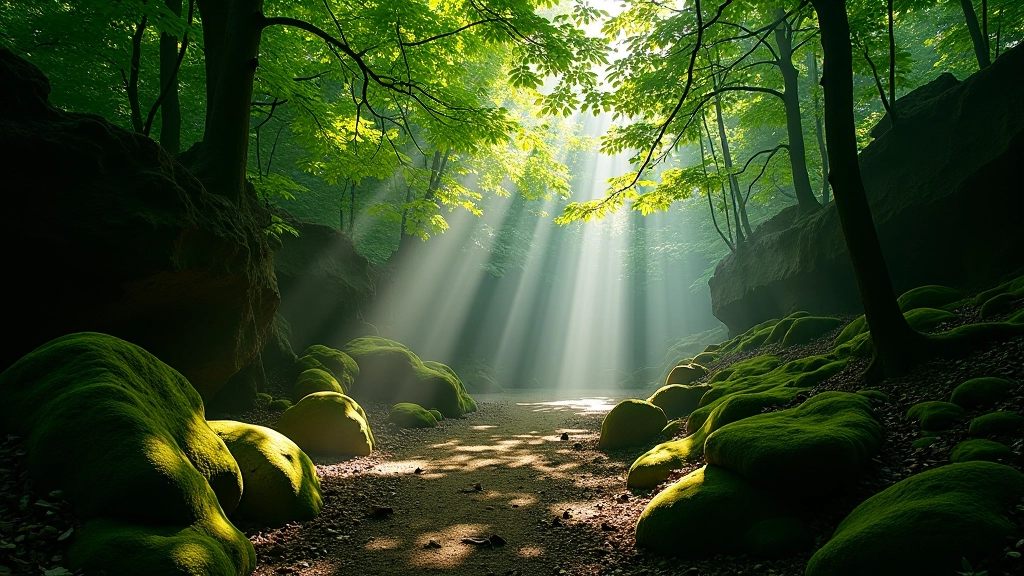
- Mixed forest (pines, birches, spruces) creates natural sound dampening
- Elevation changes that break sight lines and hide nearby paths
- No phone signal in most areas
- Access from parking within 5-15 minutes of walking
Three Spots Worth Your Time
1. Zvārtes Ravine Approach
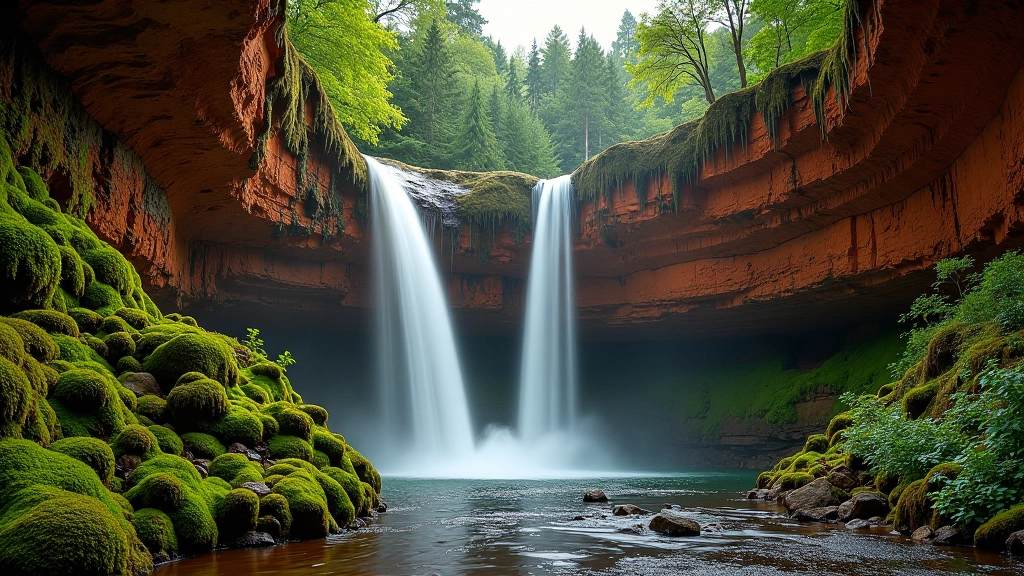
You'll walk about 12 minutes from the parking area through mixed forest that gets progressively quieter. The ravine itself opens up with a small stream — nothing dramatic, but the geology of the sandstone walls creates natural acoustic dampening. Most people don't venture more than 50 meters from the main trail. Go another 200 meters in and you're genuinely alone. Best in late morning when the light angles through the trees properly.
2. Sietiņš Forest Plateau
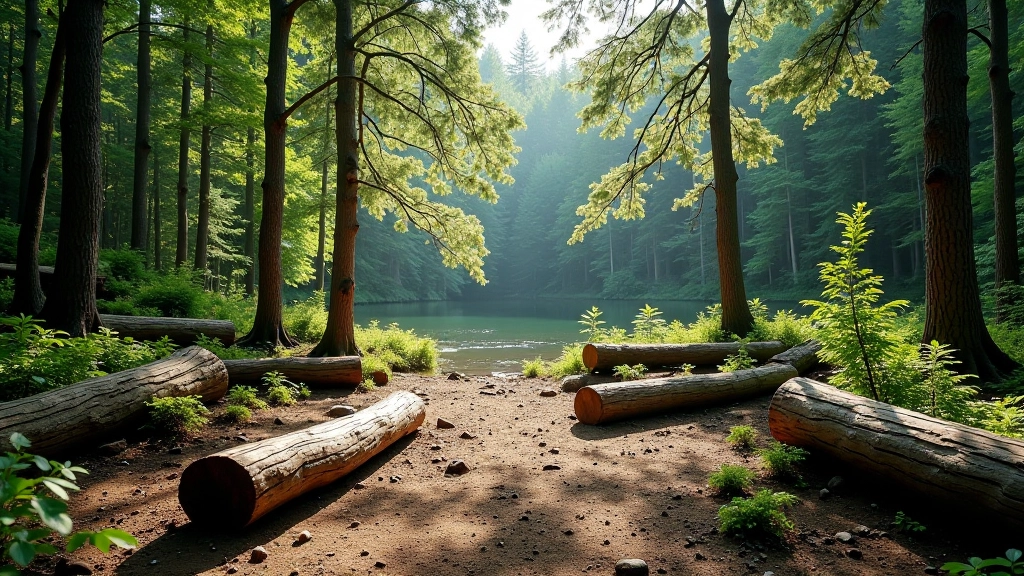
Higher elevation means fewer mosquitoes and better air flow. The plateau has three distinct resting areas — clearings formed naturally by fallen trees over decades. The walking time is about 18 minutes from parking. You're surrounded by 60+ year old forest, which sounds different than younger growth. Quieter. More substantial.
3. Gauja Bend Clearing
This one's trickier to find but worth it. You get to a bend in the river where the forest opens slightly. The water sound provides gentle background noise rather than silence — some people find that more restful than complete quiet. Walking time: about 20 minutes, but it's worth every step.
Important Notice
This guide is educational and informational. Conditions in woodland areas can change seasonally — weather, water levels, and trail accessibility vary. Always check local trail conditions before visiting. Bring appropriate gear for weather, stay on marked paths where they exist, and respect any seasonal closures. Wildlife encounters are rare but possible — keep a respectful distance. This information represents general observations and isn't a substitute for official park guidance or local expertise.
How to Actually Use These Spots
Knowing where to go is half the battle. Using it properly is the other half. You don't need much — comfort comes from sitting intentionally, not from expensive gear.
1
Go midweek, midday
Weekends mean people. Midweek mornings mean mostly silence. Arrive between 10am and 2pm for the best combination of solitude and decent light.
2
Bring a simple seat
You don't need a fancy camping chair. A lightweight blanket or small camp stool that weighs under 500g makes sitting for 1-2 hours genuinely comfortable rather than tolerable.
3
Leave the phone off
Not on silent. Off. The difference matters. You'll notice sounds — actual bird calls, wind patterns, your own breathing — that a buzzing phone drowns out.
4
Stay 60-90 minutes minimum
Your brain doesn't shift into actual rest mode in the first 20 minutes. Give yourself at least an hour. That's when the benefits actually show up.
Real Rest Exists in Real Places
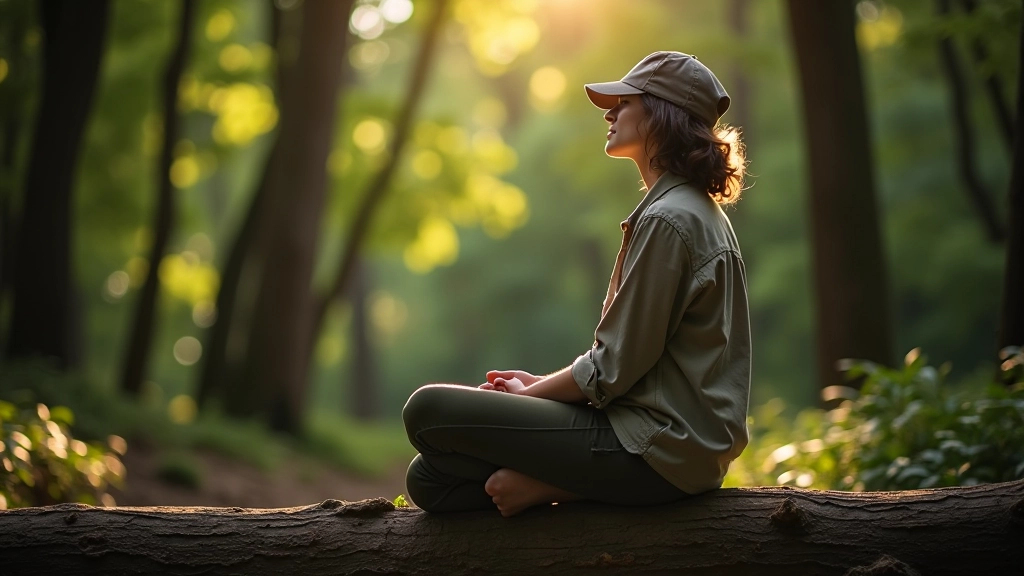
The Līgatne sandstone woodlands aren't trying to be anything they're not. They're old forests with good bones. The silence isn't manufactured — it's just what happens when humans stay quiet long enough to listen. That's the whole point. You're not paying for an experience or buying into a wellness trend. You're sitting in a forest and letting your nervous system do what it's designed to do.
These three spots work because they're accessible but not famous. Restful but real. That combination's getting rarer. Which is exactly why they're worth finding.
Related Guides