
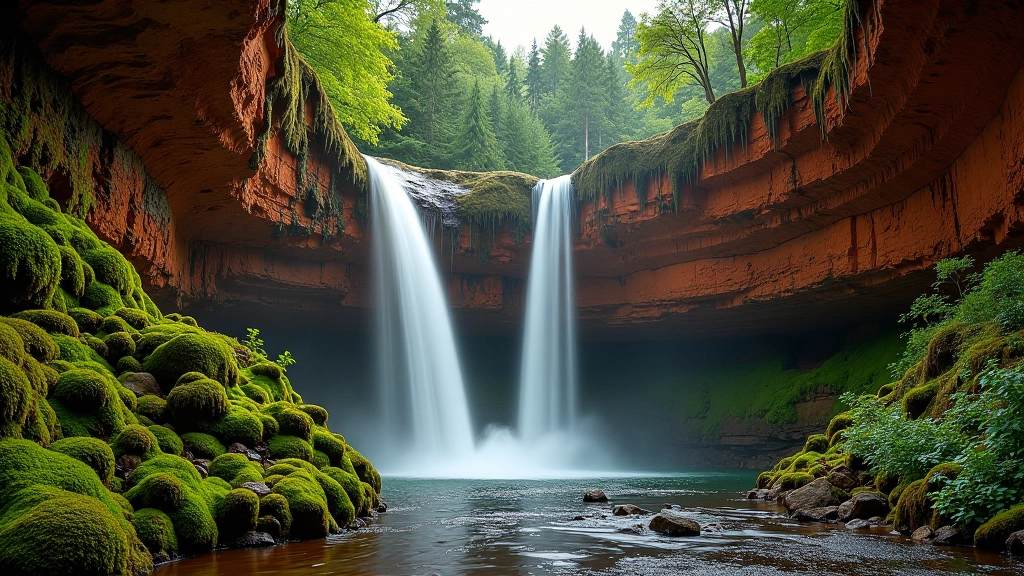
Cave Exploration: Underground Peace in the Sandstone
Descending into Latvia's sandstone caves isn't just about adventure—it's about finding something that surface life doesn't offer. We'll explore the geology, the history, and most importantly, why these underground spaces feel so restorative.

Why Caves Matter More Than You'd Think
There's something about being underground that changes how you feel. It's not just the temperature drop or the way sound travels differently. When you're inside a sandstone cave, surrounded by millions of years of geological history, your nervous system genuinely relaxes. We're not talking about marketing hype here—there's real geology and psychology at work.
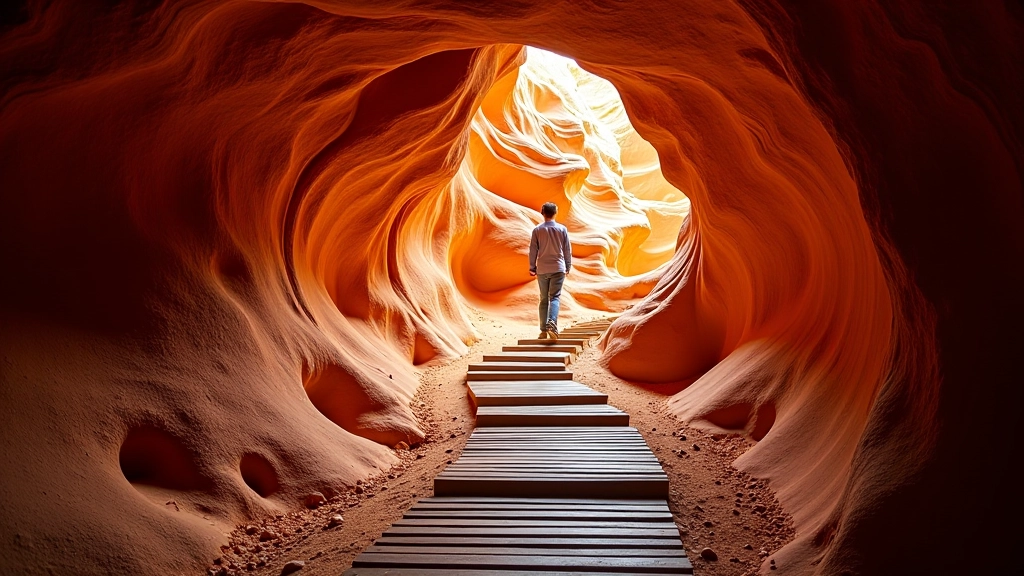
The caves in Latvia's sandstone region, particularly around Līgatne, aren't massive cathedral-like spaces. They're intimate. Some are narrow enough that you'll brush the walls with your shoulders. That closeness, paired with the stillness and the earthy smell, creates an environment where anxiety doesn't really have room to breathe. You can't scroll through your phone down there. You can't pretend you're somewhere else. You're just... here.
Constant Temperature
Most sandstone caves stay around 7-9°C year-round, creating a naturally cool environment
High Humidity
Moisture levels hover around 85-95%, which naturally supports respiratory relaxation
Darkness & Silence
Deep caves offer near-total absence of light and external noise pollution

The Geology Behind the Peace
Latvia's sandstone caves formed over millions of years through a process called fluvial erosion. Water—patient, relentless water—carved through layers of Devonian-age sandstone, creating passages that we're only now beginning to properly explore and understand. The sandstone itself is soft compared to limestone, which is why these caves tend to be smaller and more intimate than the massive caverns you'd find elsewhere in Europe.
What makes Latvian caves unique is their composition. The red coloring comes from iron oxide in the sandstone. That's not just visually striking—it matters geologically. The porous nature of sandstone means water continues to flow through it, which keeps the caves naturally ventilated and prevents that stale air feeling you sometimes get in other underground spaces. You'll notice this the moment you step inside. The air feels fresh, not trapped.
180
Known caves in Latvia
250m+
Largest passage length
360M yrs
Age of sandstone formation
Important Safety Note
This article provides educational information about cave exploration and sandstone geology. It's not a substitute for proper training or professional guidance. If you're planning to visit any caves, check local regulations first, go with experienced guides, and never explore unmapped or restricted areas. Cave conditions vary significantly, and safety requirements depend on location and season.
Getting Ready: What Actually Works
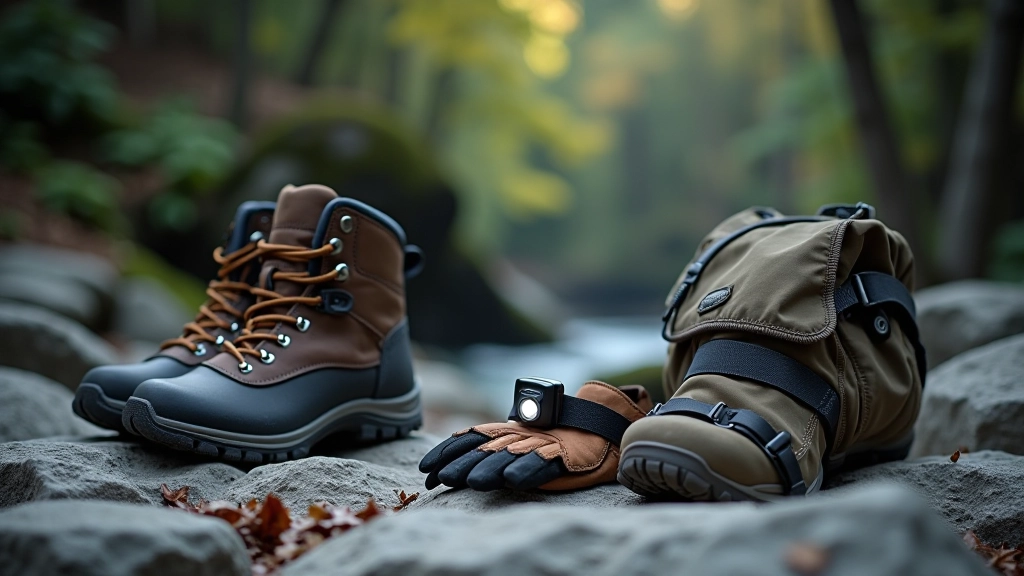
You don't need expensive gear for most Latvian cave visits. What you need is the right mindset and practical clothing. The caves stay cool year-round, so you'll want layers—a base layer that wicks moisture (merino or synthetic), a fleece mid-layer, and something water-resistant on top. Cotton absorbs moisture and won't keep you warm when wet. That's the biggest mistake people make.
Footwear matters more than most people realize. The cave floor isn't smooth. You'll encounter uneven surfaces, occasional water, and slippery rocks. Good hiking boots with proper ankle support and aggressive tread are essential. Some people bring gloves—your hands touch a lot of surfaces, and the rock can be sharp. A headlamp is non-negotiable. Phone flashlights won't cut it once you're deep inside. You'll need hands-free lighting that you can control and rely on.
Physically, caves don't require extreme fitness, but they do require comfort with confined spaces. If you're claustrophobic, smaller passages might genuinely not be for you. There's no shame in that. Start with larger, more open caves if you're testing your tolerance. Most people surprise themselves with what they can handle once they're actually inside and their eyes adjust to the darkness.
What Happens Inside: The First-Time Experience
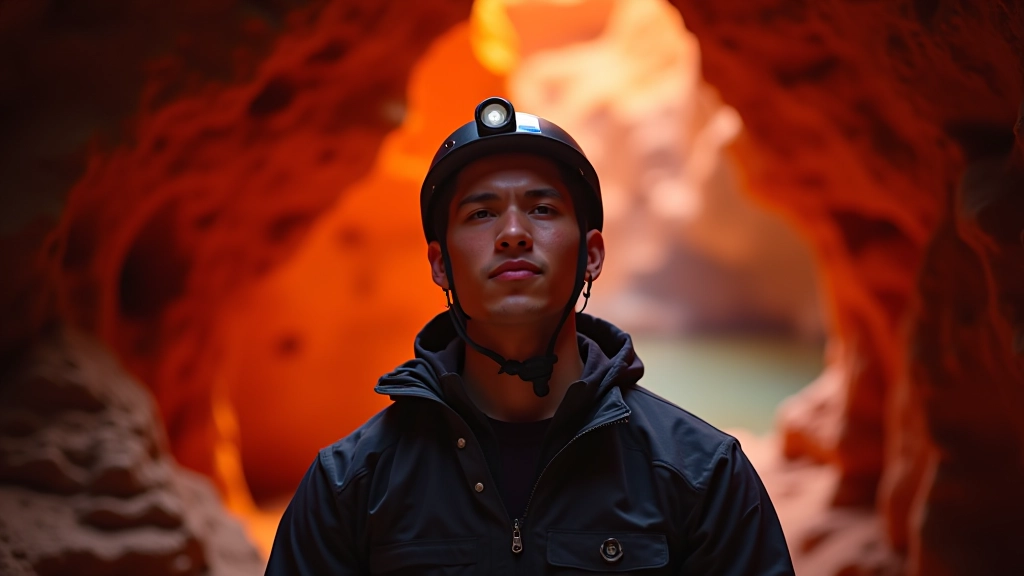
Your first minutes underground feel strange. Your eyes take 10-15 minutes to adjust to the darkness, even with a headlamp. Everything looks different than you expected—darker in some places, more textured than it appeared in photos. The air smells like wet earth and minerals. It's not unpleasant, just unfamiliar.
Then something shifts. Your breathing slows. The noise in your head quiets. You start noticing details: the way water drips from the ceiling in one spot, how the sandstone has different colors depending on the angle of your light, the sound your boots make on the stone floor. There's no phone signal down here. No notifications. No one's waiting for a response. It's just you, the cave, and whatever thoughts you brought with you.
Most people report a sense of calm they don't get anywhere else. It's not the kind of calm that comes from lying on a beach or sitting in a yoga class—it's deeper. The cave environment forces a kind of presence. You can't multitask. You can't half-pay-attention. The physical environment demands your full engagement, which is exactly what overtaxed nervous systems actually need.
Practical Tips for a Better Visit
1
Arrive Early in the Day
Fewer people means you'll actually experience the quiet. Mid-morning gives you natural light outside without crowds. You'll also avoid the rush and have more time to move at your own pace.
2
Turn Off Your Headlamp Briefly
Once your eyes adjust, spend 30 seconds in total darkness. It's disorienting and profound. You'll understand why darkness matters for relaxation. This only works if you're not claustrophobic—use your judgment.
3
Bring Water, Not Coffee
The cool temperature means you don't feel thirsty, but you're still losing moisture. A liter of water is enough. Avoid caffeine—it raises anxiety, which defeats the purpose.
4
Don't Rush the Experience
Caves aren't destinations to check off. Spend time. Sit on a rock for 10 minutes. Let your mind wander. The real benefit comes from time in this environment, not from covering distance.
5
Respect the Space
Don't touch formations unless it's explicitly allowed. The oil from your skin damages the rock. Keep your voice low. These spaces are fragile and shared with others who came for peace.
6
Pay Attention on Exit
The transition back to daylight can be jarring. Give yourself time to adjust. Your pupils will dilate quickly. Step into light gradually if possible. The contrast matters—notice how different the outside world feels.
Explore More in the Sandstone Region
The Underground Is Calling
Cave exploration in Latvia's sandstone region isn't about conquering anything or proving something to yourself. It's about stepping into a space where the world above doesn't follow. Where your nervous system can finally relax because the environment itself demands your presence and gives you nothing to anxiously manage.
You don't need to be an experienced caver. You don't need special skills. You need curiosity, decent gear, and willingness to be uncomfortable for a few minutes until your body realizes it's safe. After that, something shifts. Time moves differently underground. Hours feel like minutes. The stress you carried down there tends to stay behind when you exit.
Start with a guided visit if you're new to caves. Local specialists know the safest routes, the best times to visit, and which caves match your experience level. Once you've done it once, you'll understand why people keep coming back. The caves aren't going anywhere. They've been here for millions of years. They'll wait for you.