
Waterfall Trails: Where the Cliffs Meet Water
Maps of three cascades in the Līgatne area, difficulty levels, and what to expect at each stop. We've included seasonal water flow information.

Discovering the Cascades
The Gauja Valley holds some of Latvia's most stunning waterfall trails. We're not talking about massive Niagara-style drops here — these cascades are intimate, accessible, and genuinely restorative. The Līgatne area alone has three main waterfall systems worth exploring, each with its own character.
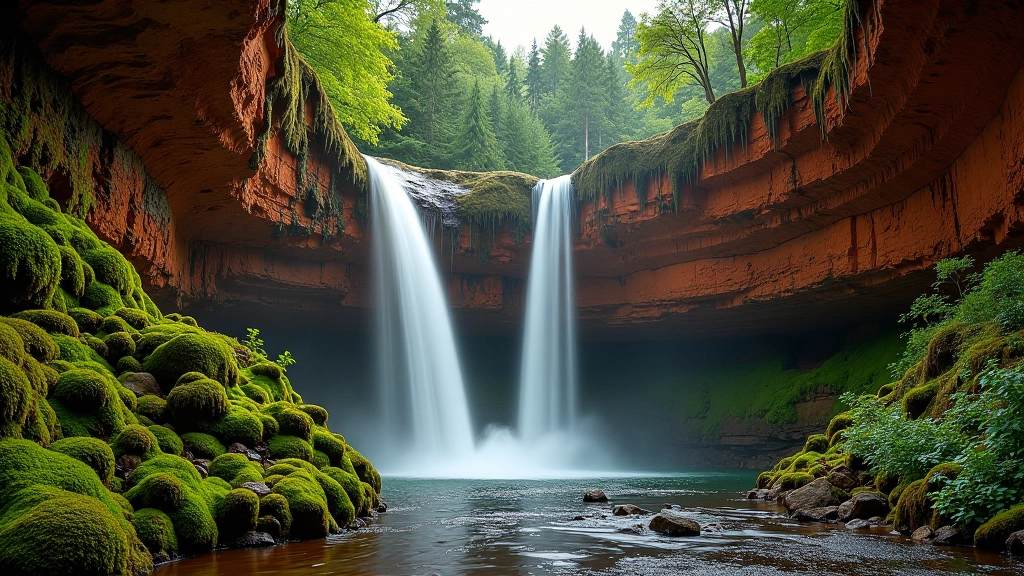
What makes these trails special isn't just the water. It's the way the red sandstone cliffs frame everything, how the spray creates a microclimate that supports unique moss and fern species, and the simple fact that you can reach them without professional climbing gear. We've walked these trails multiple times across different seasons, and there's always something new to notice.
Amata Waterfall Trail
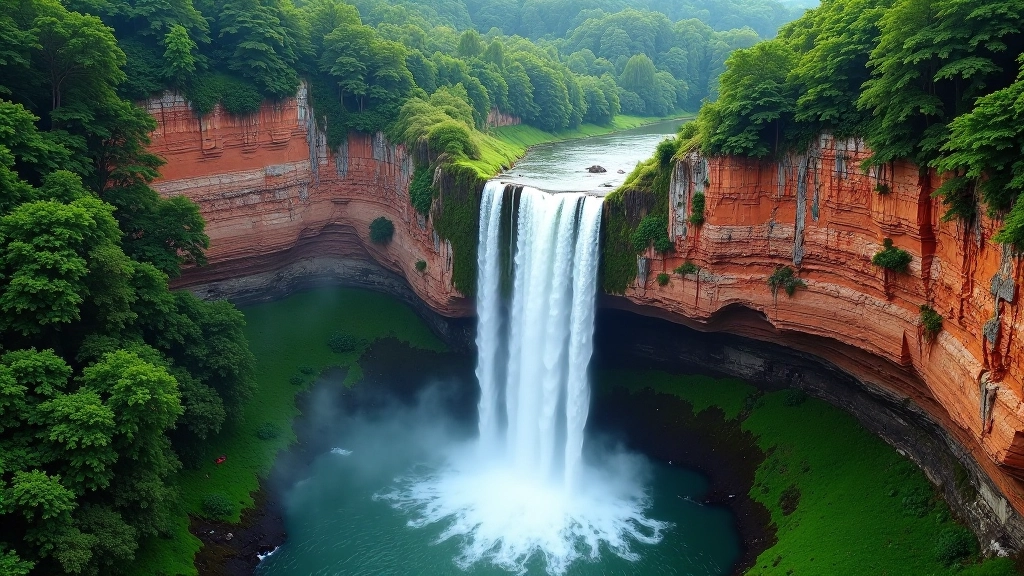
This is the most accessible of the three. The Amata Falls sit about 1.8 kilometers from the main parking area, and the path follows the river valley with minimal elevation gain. It's an easy walk, perfect for families or anyone recovering from winter sluggishness.
The waterfall itself isn't massive — roughly 2.5 meters at peak flow — but the setting is magical. The water slides down red sandstone that's been carved over millennia. You'll notice the geological layering clearly from the parking area. During spring (April-May), water volume peaks thanks to snowmelt. By late summer, the flow reduces noticeably, though it never completely stops.
Key Details
- Distance: 1.8 km one-way
- Difficulty: Easy
- Best water flow: April-May
- Time needed: 45 minutes round-trip
Trail Safety Notice
The information provided in this guide is for educational and planning purposes. Trail conditions, water levels, and accessibility vary seasonally and can change due to weather. Always check local conditions before visiting, wear appropriate footwear, and exercise caution near water and cliffs. This guide doesn't replace local expert advice or official trail management information.
Mīlestības Cascade Trail
The name translates to "Love's Cascade," and locals will tell you why — it's the most photogenic of the three waterfalls. This one's taller (roughly 4 meters) and has multiple tiers, creating a genuinely impressive display when water volume is high.
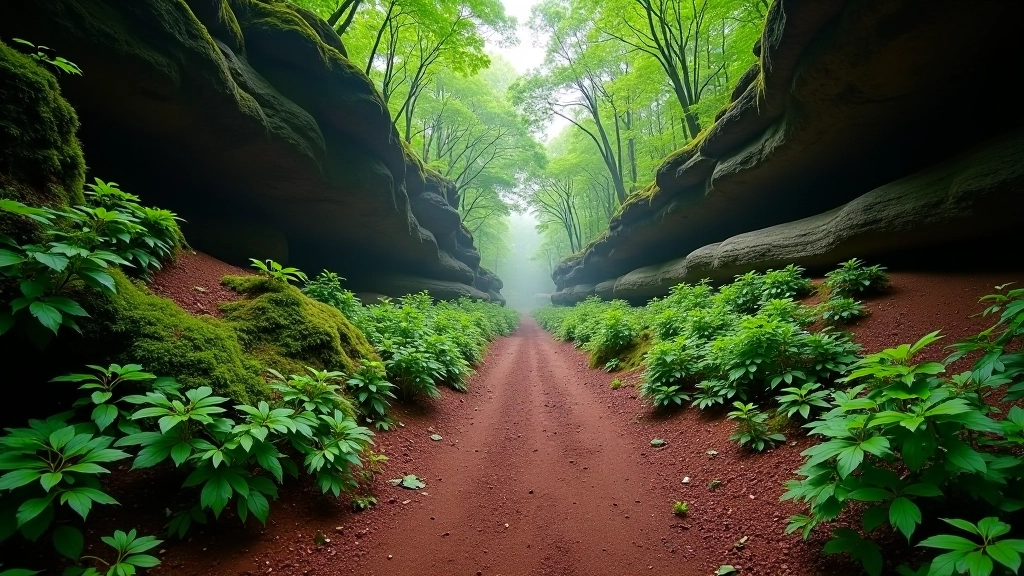
Getting here requires more effort. The 2.4-kilometer approach crosses some steeper sections, and you'll descend about 80 meters total. The path is well-maintained but narrow in places, so it's not ideal for people uncomfortable with slight exposure. The payoff? You'll see fewer people and experience a more intimate waterfall environment. The cliff face here shows the sandstone's true colors — deep oranges and reds that catch light beautifully in late afternoon.
Key Details
- Distance: 2.4 km one-way
- Difficulty: Moderate
- Best water flow: April-June
- Time needed: 1.5 hours round-trip
- Elevation loss: 80 meters
Sietina Falls — The Challenge Route
If you're looking for something more adventurous, Sietina is where you push a bit further. This trail combines distance with technical footing — you'll navigate loose stone, scramble over boulders, and cross a stream multiple times. It's not dangerous if you're paying attention, but it demands more from you physically and mentally.
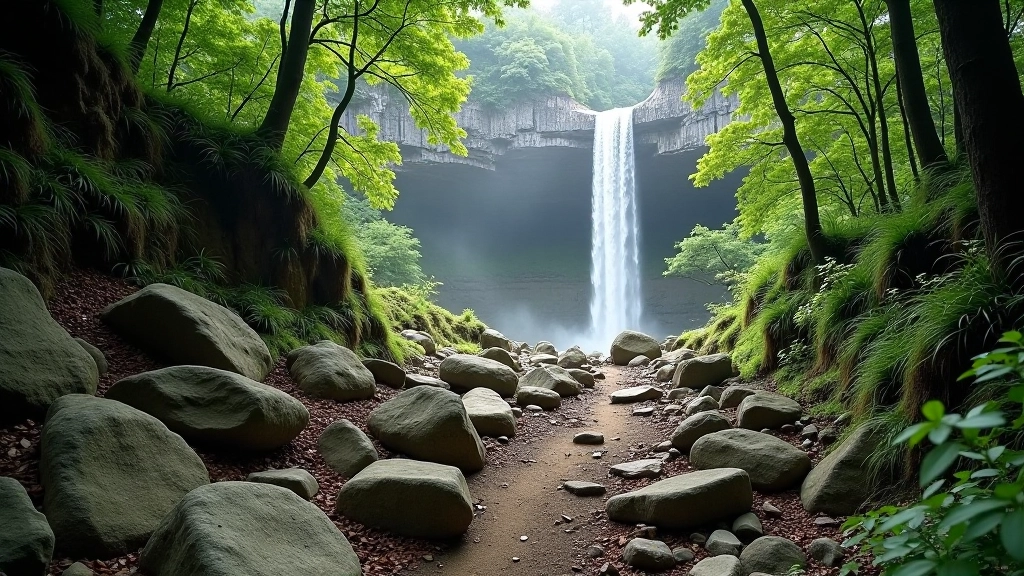
The reward? A waterfall that feels genuinely remote, even though it's only 3.2 kilometers from the parking area. The approach reveals different sandstone formations — you'll see how the geological story unfolds as you descend. The falls themselves drop about 5 meters into a pool where you can actually wade in summer months. The water is cold (coming from underground springs), but refreshing after a challenging hike.
Key Details
- Distance: 3.2 km one-way
- Difficulty: Moderate to Challenging
- Best water flow: May-July
- Time needed: 2-2.5 hours round-trip
- Elevation loss: 120 meters
- Technical sections: Stream crossings, boulder scrambles
Seasonal Considerations
Water flow and trail conditions change throughout the year. Here's what to expect at each waterfall across different seasons.
Spring (April-May)
Peak water flow from snowmelt. All three waterfalls at their most impressive. Trails can be muddy and slippery. Insect activity low. Temperatures: 8-15°C.
Summer (June-August)
Water levels decrease but trails dry out. Comfortable hiking temperatures (15-22°C). Insect activity increases. Crowded weekends. Best for wading in pools.
Autumn (September-October)
Moderate water flow returns with rainfall. Foliage creates stunning color displays. Fewer people. Temperature: 5-15°C. Watch for slippery wet leaves.
Winter (November-March)
Waterfalls can partially freeze. Trails icy and dangerous. Only for experienced winter hikers. Temperature: -10 to 0°C. Microcrampons recommended.
Planning Your Visit
These three trails offer completely different experiences depending on what you're seeking. Amata gives you a gentle introduction to waterfall scenery without demanding much effort. Mīlestības rewards you for a moderate effort with genuine beauty and solitude. Sietina tests your limits and delivers a sense of genuine accomplishment.
We recommend starting with Amata if you're new to the area. It'll give you a sense of the landscape and help you decide whether you want to tackle the others. Each trail is better at different times of year, so consider visiting more than once across seasons. The sandstone cliffs and waterfalls you see in spring won't look the same in autumn — the light, the water volume, and the vegetation all create different moods.
Ready to Explore?
Learn more about other nature trails and relaxation spots in the Līgatne area. We've documented five woodland rest spots, cave systems, and mindfulness practices specifically for this landscape.
Browse All Trails