
doubledirectinc Logo Doubledirectinc
Contact Us

Mindfulness in Nature: Making the Most of Your Visit

Learn how to truly connect with the natural world. We'll show you practical techniques to deepen your mindfulness practice in forests, by waterfalls, and at cave entrances across Līgatne's sandstone landscapes.

7 min read All Levels June 2026
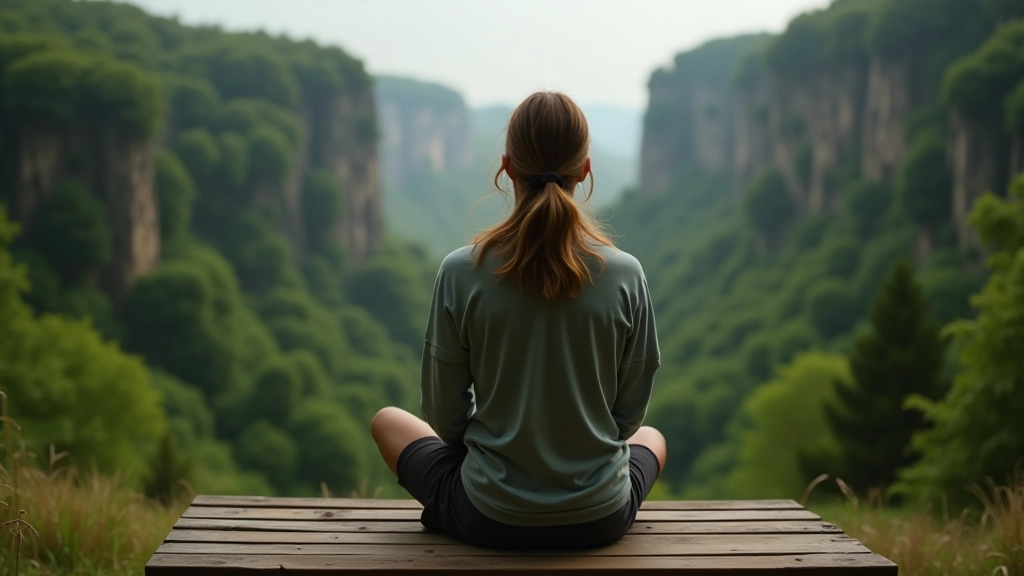
Woman sitting peacefully on a wooden bench overlooking a forested valley with distant sandstone cliffs and natural light filtering through the trees
Andris Ozoliņš, Senior Nature Conservation Specialist

Author

Andris Ozoliņš

Senior Nature Conservation Specialist

Geomorphologist and nature tourism specialist with 14 years of experience in Latvia's sandstone landscapes and forest conservation.

Why Mindfulness Matters in Nature

Nature isn't just a backdrop for relaxation — it's an active partner in your mindfulness practice. When you're standing on a forest path or sitting by a waterfall, you're already halfway there. The real work is paying attention.

Most people visit these places and let their minds wander. They're thinking about work, checking their phone, or moving too fast to actually experience anything. That's not your approach. You're here to be present. And the sandstone cliffs, waterfalls, and woodland trails of Līgatne are some of the best teachers you'll find.

The difference between a casual visit and a mindful one? It's not complicated. You'll slow down, engage your senses, and notice things most people miss entirely.

Grounding Through Your Senses

Your senses are anchors to the present moment. Use them deliberately when you're in nature. Don't just look at the forest — really look. Notice the variation in green shades, the way light filters through leaves, the shadows on the rock faces.

Listen actively. You'll hear more than you expected. Bird calls have different rhythms. Wind moves differently through dense woodland versus open areas. Even the subtle sounds of your own breathing become noticeable when you tune in. Spend at least 2-3 minutes just listening without judgment.

Touch matters too. Feel the texture of tree bark, the coolness of stone, the earth beneath your feet. At cave entrances, the temperature shift is dramatic — use that as your anchor point. Near waterfalls, you'll feel moisture in the air changing as you move closer or farther away.

Smell is powerful but often overlooked. Pine forests have distinct scents. After rain, that earthy smell (petrichor) grounds you instantly. Mossy areas near waterfalls have their own fragrance. These aren't distractions — they're direct invitations to be here now.
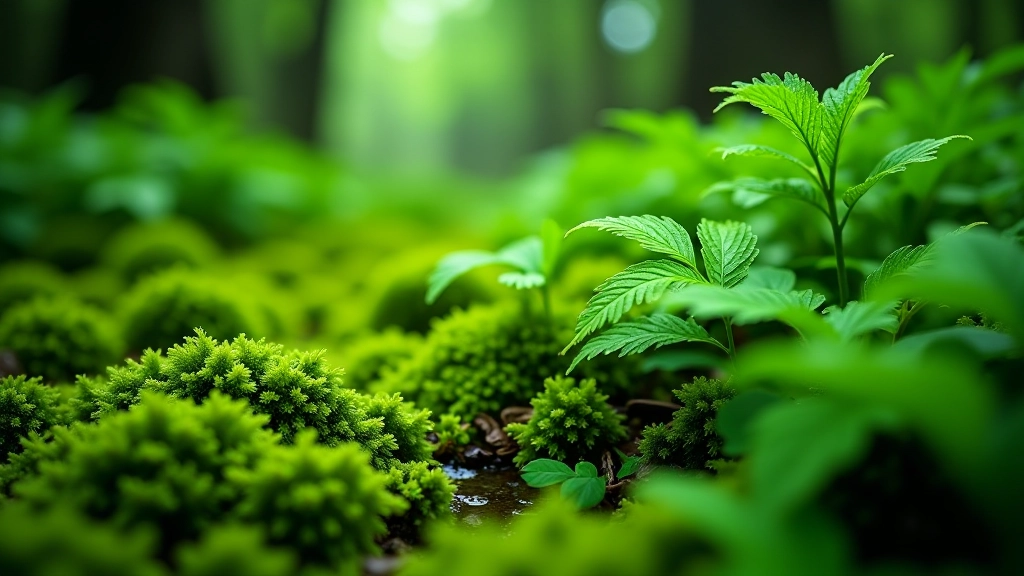
Close-up of green moss and ferns on damp forest floor with water droplets, natural lighting, forest setting

Quick tip: The 5-4-3-2-1 technique works exceptionally well outdoors. Name 5 things you see, 4 you can touch, 3 you hear, 2 you smell, 1 you taste (maybe a leaf or clean air). It takes about 5 minutes and pulls you completely into the present.
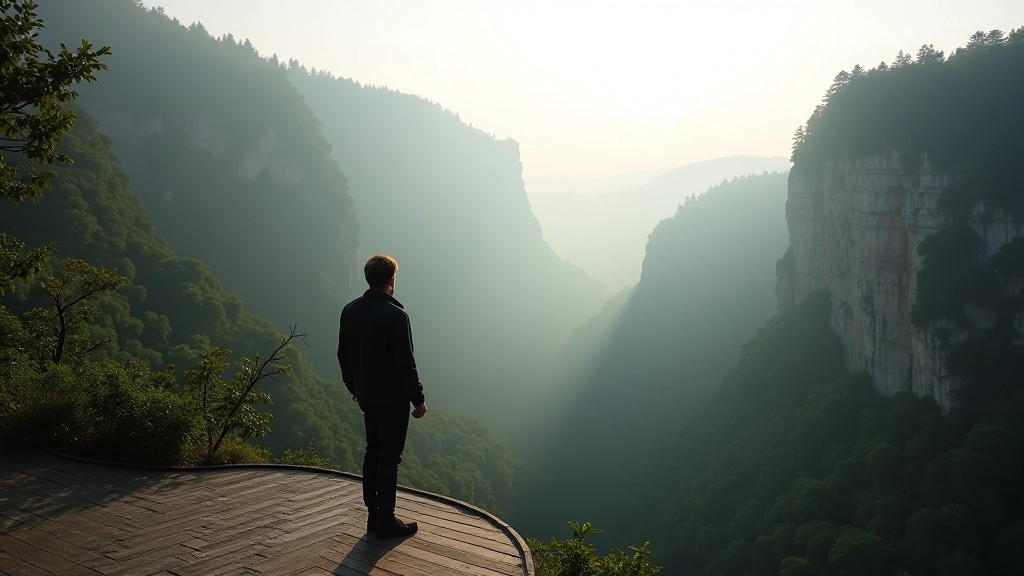
Person standing alone on a wooden observation platform overlooking a deep valley with forested slopes and distant cliffs in morning mist

Finding Your Stillness Point

You don't need to meditate for an hour. Even 10-15 minutes of genuine stillness in nature creates measurable benefits. The key is finding a spot that feels right to you. This might be a clearing in the forest, a bench overlooking a waterfall, or a flat rock near a cave entrance.

Sit there. Let your body settle. Your mind will be busy at first — that's completely normal. Thoughts will come and go like clouds. Don't fight them. Just notice them passing.

After about 5 minutes, something shifts. Your nervous system begins to calm. You'll notice your breathing becoming slower and deeper without forcing it. Your shoulders drop. The constant mental chatter quiets down. This is what you're looking for.

The woodland areas around Līgatne are designed for this. The natural amphitheater effect of the sandstone cliffs actually creates quieter microclimates. You'll find pockets where noise seems to disappear even if you're relatively close to trails.

Pro tip: Visit the same spot multiple times. Your body recognizes patterns. After 3-4 visits to the same location, you'll slip into calm faster because your nervous system already associates that place with peace.
Working With Movement and Walking Meditation

Not everyone wants to sit still, and that's fine. Walking meditation is equally valid and often easier to maintain. The rhythm of walking naturally slows your mind.

Here's the approach that works: Walk slowly. I mean really slowly — about half your normal pace. Focus on the physical sensation of each step. Feel your heel touching down, the roll through your foot, your toes pushing off. This isn't about getting anywhere. The destination doesn't matter. You're walking to experience walking.

The forest paths around Līgatne are perfect for this. The uneven terrain naturally forces you to pay attention. You can't zone out when you're navigating roots and stones. That's actually a feature, not a bug. Your mind has less room for wandering when your body requires focus.

Aim for 20-30 minute walks. You'll notice the landscape differently at this pace. Details emerge. The way light plays on leaves becomes visible. You'll spot wildlife you'd normally miss. Small birds, insects, the texture of different tree bark varieties — it's all there waiting for attention.

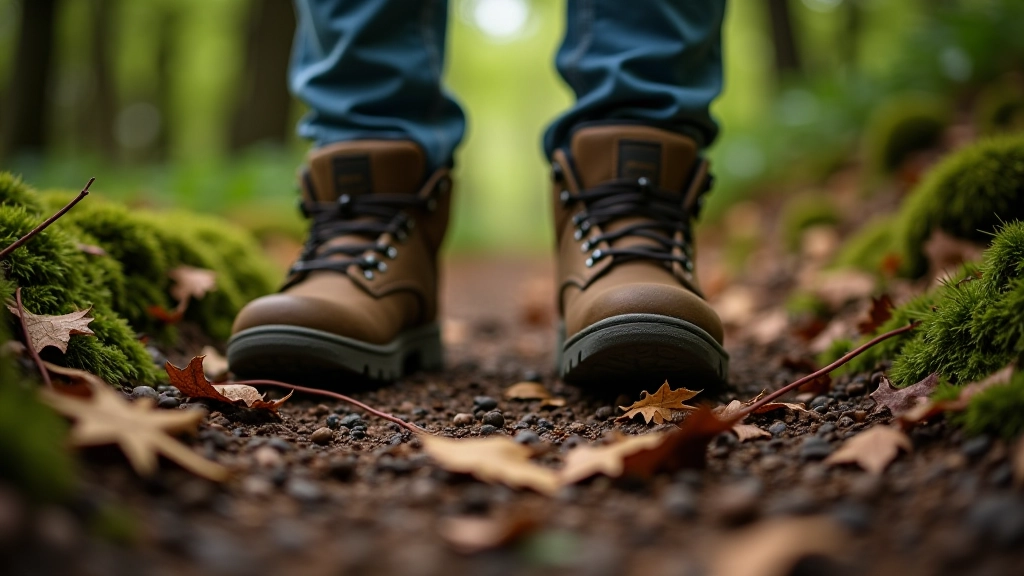
Feet and lower legs on a forest path covered with fallen leaves and moss, hiking boots visible, natural woodland floor

Breath and Pacing

Your breath is always available as an anchor. On your walk, synchronize your breathing with your steps. Inhale for 4 steps, exhale for 4 steps. Or whatever feels natural — don't force a rhythm that doesn't fit.

This synchronization keeps your mind present. You're monitoring two things simultaneously — breath and movement — which leaves less room for mental chatter. When your mind wanders (and it will), gently bring it back to the rhythm.

On challenging terrain like the Līgatne trails, your breath naturally becomes deeper and more present. Use that. Don't see it as struggle — it's your body's way of keeping you grounded in the moment.

Dealing With Distractions

Other people will be around. Noise happens. Weather changes. Your body gets uncomfortable. These aren't failures of your practice — they're just part of being human in a natural environment.

When you're distracted by a noise, notice it. "There's a sound." That's it. No judgment. No trying to block it out. Just acknowledge it and return to your focus. When your legs fall asleep, notice that too. "My leg is tingling." Then adjust your position if you need to.

The sandstone cliffs create interesting acoustic properties. You might hear sounds echoing or traveling differently than expected. Instead of finding this annoying, use it as part of your practice. What's the quality of that echo? How does sound behave differently here than in other places?

Weather is the same. Rain on leaves sounds different than rain on stone. Wind moves through the cliff areas in distinct patterns. Cold air near caves creates temperature shifts. These aren't interruptions — they're additional textures of your experience.

Building a Regular Practice

Consistency matters more than duration. A 10-minute visit to nature twice a week creates better results than one long visit monthly. Your nervous system learns to associate these places and times with calm, and you slip into that state more easily each time.

Pick a realistic schedule. If you can only manage weekends, that's your practice. If you can visit during a lunch break, even better. The Līgatne area is accessible enough that you can visit multiple times without major planning.

Don't aim for perfection. Some visits will feel great. Others you'll feel restless or distracted. That's normal. The practice isn't about having perfect experiences — it's about showing up and being present with whatever arises.

Calendar or journal page with nature-related sketches and notes about outdoor visits and mindfulness practice

Important Note

This article provides educational information about mindfulness practices in natural settings. It's not a substitute for professional mental health guidance. If you're dealing with anxiety, depression, or other mental health concerns, consult a qualified healthcare provider. Additionally, always follow local safety guidelines when visiting natural areas — check weather conditions, inform someone of your location, and respect any area closures or restrictions. Mindfulness is a complementary practice that works best alongside proper care and common sense.

Start Your Practice Today

You don't need special equipment, experience, or perfect conditions. You just need to show up and pay attention. The forests, waterfalls, and caves of Līgatne are waiting. They're not going anywhere.

Pick one technique from this guide. Try it on your next visit. Sit for 10 minutes or walk slowly for 20. Use your senses. Notice what you notice. That's your practice.

After a few visits, you'll notice something shifting. The constant mental chatter quiets down more easily. Your shoulders drop sooner. Your breathing deepens. Your body recognizes these places as safe spaces for calm. That's the real benefit — not achieving some perfect meditative state, but building a reliable anchor to peace that's always available.